Phone:
(701)814-6992
Physical address:
6296 Donnelly Plaza
Ratkeville, Bahamas.

Phone:
(701)814-6992
Physical address:
6296 Donnelly Plaza
Ratkeville, Bahamas.
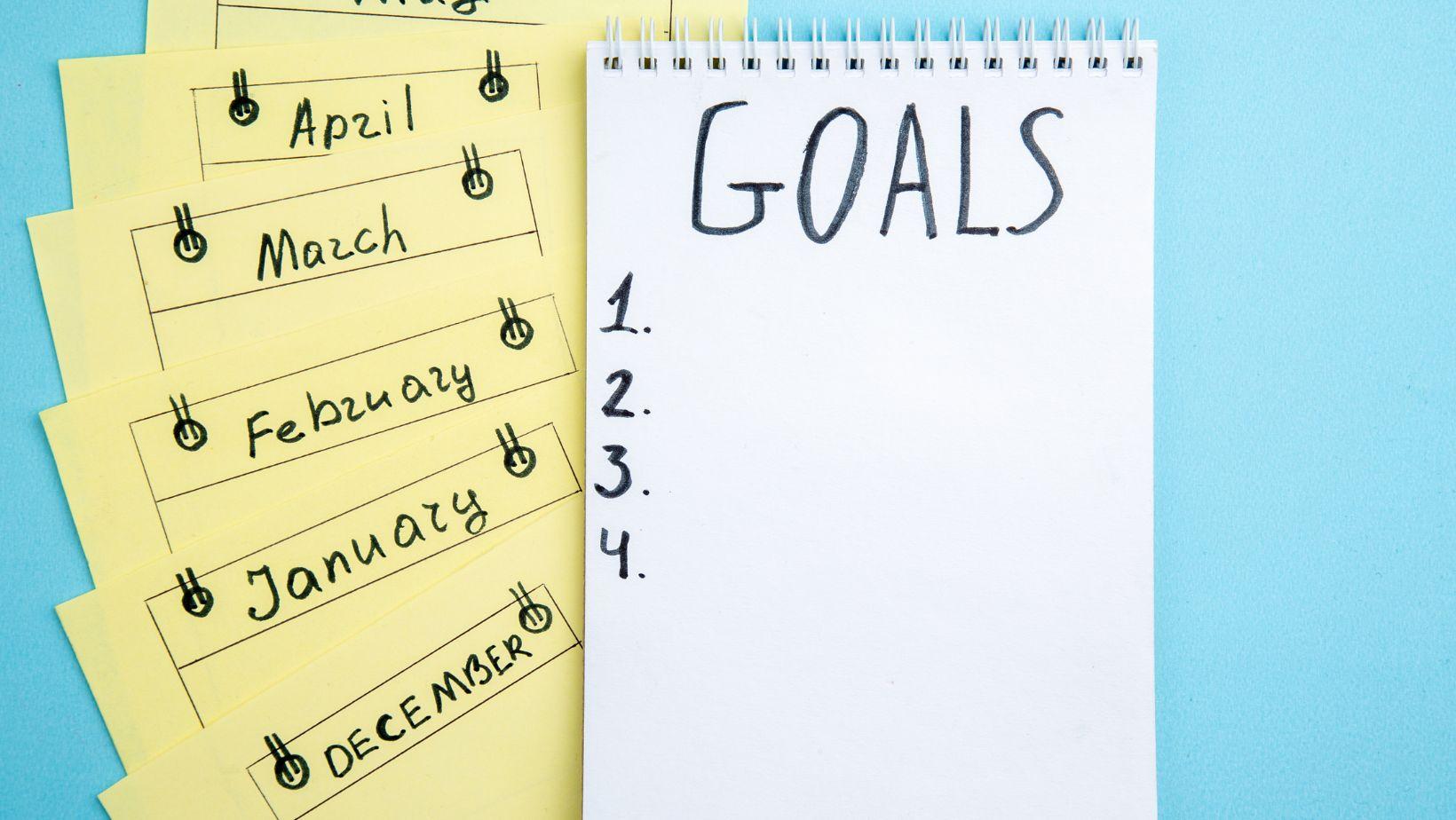
It is the first Monday of the month, and the plan looks great. Finish the course. Get the home projects moving. Save the money. By Tuesday afternoon, three urgent messages, a long meeting, and a surprise errand have taken over, and the big goal has quietly slipped to “later this week.” Nothing dramatic happened. The goal just had nowhere to live in the actual day.
That gap between a goal and a day is where most good intentions are lost, and it is more fixable than it feels. A monthly goal does not fail because it was too ambitious. It fails because nothing connects it to the next small thing you can do.
A goal is a destination. A day is made of steps. When the goal is “get the finances in order” or “make progress on the renovation,” Tuesday morning gives you nothing to act on. Meanwhile, the urgent things arrive with names, deadlines, and people attached. They win, not because they matter more, but because they are specific.
A to-do list app built for personal use captures each task the moment it comes up, keeps everything in one list that is yours alone, and shows what to do today, so a monthly goal becomes a series of small steps you can see instead of something you have to remember.
The goal itself does not change. What changes is that it now has a presence in your week.
Researchers call this an implementation intention: a plan in the form “if situation X happens, then I will do Y.” In a 2006 meta-analysis of 94 independent tests, forming if-then plans improved goal attainment with a medium-to-large effect compared with simply holding the goal. The idea is simple. A plan tied to a specific time or cue means you do not have to decide, in the middle of a busy day, whether this is the moment to start.
Good if-then plans are small and concrete:
None of these needs extra motivation. Each one names the moment, so the moment does the work.
A monthly goal needs a few rungs: the month’s goal, a milestone for each week, and a handful of specific steps each day. You rarely need to plan the whole month in detail. Plan the week, and let the daily steps carry it forward.
Take a goal like “choose a contractor for the bathroom update by the end of the month”:
Week two then breaks into daily steps: look up five local contractors on Monday, call two on Wednesday at 9:30, and call the third and schedule visits on Thursday. Each step fits in one sitting, and each one is small enough to survive a distracting afternoon.
Interruptions are not a sign that the plan failed. They are part of every week, so a good plan leaves room for them. Keep one or two open slots for catch-up, and treat anything that arrives mid-day as a task to place, not an emergency to absorb.
That is easier when interruptions have somewhere to land. Trello’s Inbox is built to catch tasks from email and Slack, so an urgent request can be parked and scheduled instead of derailing the day, and its Planner lets you give a task a spot on your calendar right alongside your meetings. A good to-do list app makes this routine: you see today’s steps next to your commitments, and a surprise becomes one more task to place instead of a reason to abandon the plan.
The most useful habit is also the shortest. Late on Tuesday afternoon, take five minutes and look at what slipped. Move it instead of scolding yourself. A step that did not happen is just a task that needs a new time, and a goal that stalls on Tuesday can restart on Wednesday morning.
A to-do list app that shows today’s steps first thing makes that checkpoint quick. Two questions are enough: what did I plan to do that did not happen, and when will it happen instead?
Monthly goals do not need more willpower. They need a place in the week. Give each goal a few small steps, give each step a time, and keep all of it somewhere you will see it. Do that, and Tuesday afternoon stops being where good goals die and becomes where they get back on track.
